
Hindistan'ın paslanmaz çelik işleme sektöründe, müşteriler bükülmüş sacların görünümünde giderek daha yüksek kalite talep ediyor. İster dolap panelleri, ister otel mutfak ekipmanları, ister paslanmaz çelik harfler veya mimari dekoratif paneller olsun, pazar daha yüksek standartlara doğru ilerliyor. Birçok işleme tesisi, geleneksel bükme yöntemlerinde benzer sorunlarla karşılaşıyor: katlanmış kenarlar yeterince keskin değil, geri yaylanmayı kontrol etmek zor, ince saclar kolayca deforme oluyor ve yüzeyde kolayca girintiler oluşuyor.
Bugün, Hindistan'ın Gujarat eyaletindeki bir paslanmaz çelik işleme tesisinden gerçek bir vaka çalışmasına bakacağız ve ilk ekipman değerlendirmesinden yiv açma makinesinin nihai seçimine kadar süreçteki deneyimlerini ve geri bildirimlerini göreceğiz.
Bu Hint fabrikası, oluk açma makinesini piyasaya sürmeye karar vermeden önce, ekipmanın stabilitesine, işleme hassasiyetine ve uzun vadeli işletme maliyetlerine büyük önem veriyordu. Bu nedenle, ekipleri yerinde bir değerlendirme yapmak için fabrikamıza özel bir ziyaret gerçekleştirdi.
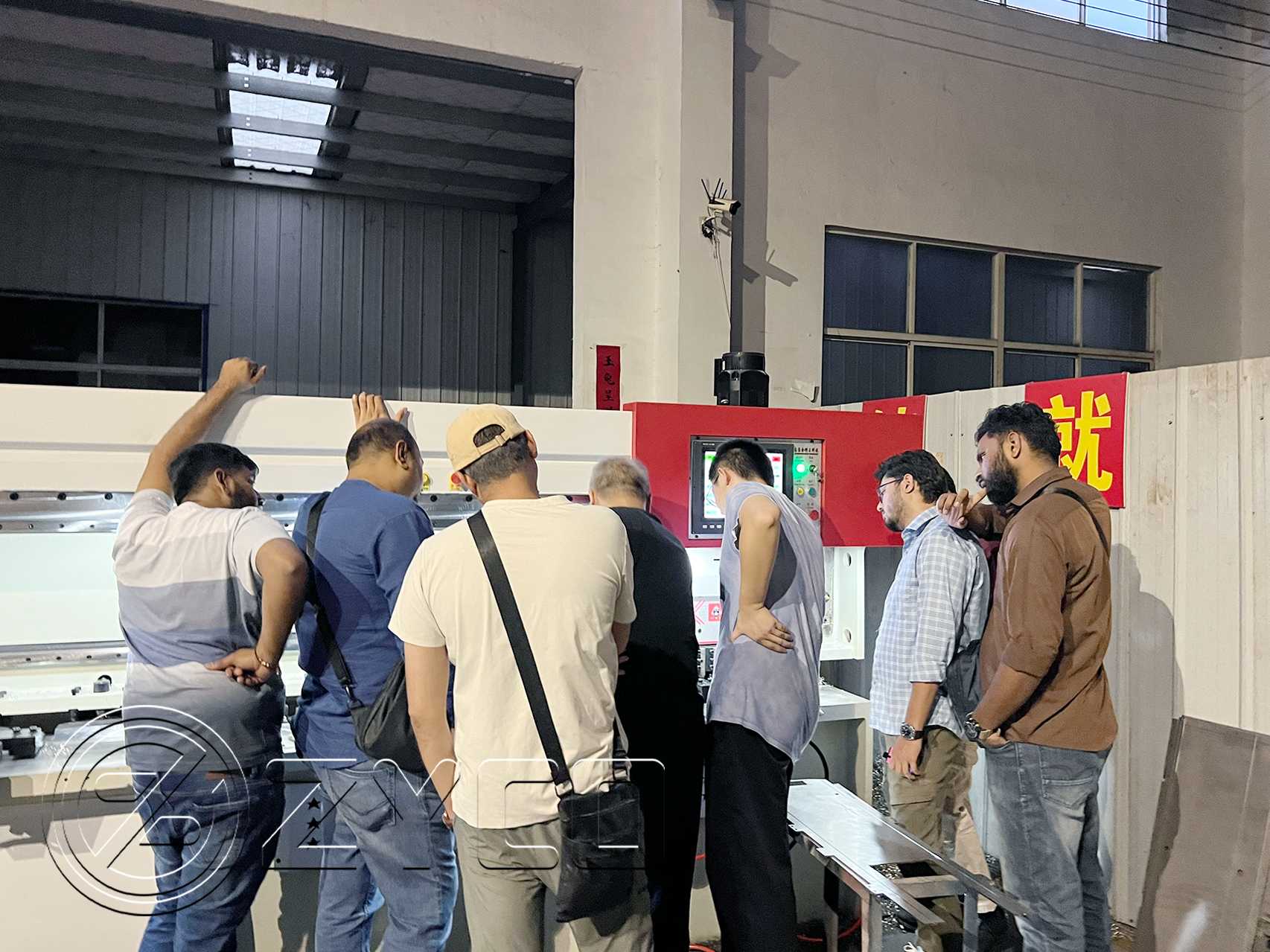
Sahada, farklı kalınlıktaki levhaların oluk açma etkisini, bükülme sonrası kenarların keskinliğini ve yatay ve dikey oluk açma makineleri arasındaki işleme performansı farklılıklarını gösterdik. Müşteri ekibi, ekipmanın etrafında toplanarak kesici kafanın çalışmasını, sac sıkıştırma yöntemini ve oluk açma derinliğinin kontrol etkisini dikkatlice gözlemledi.
Özellikle şu noktalara ilgi gösterdiler:
· Yiv açıldıktan sonra katlanan kenar yeterince keskin mi?
· İnce sac işleme sırasında yüzeyde girintiler oluşur mu?
· Büyük levhaların işlenmesi sırasında titreşim veya deformasyon olur mu?
· Yiv derinliği sabit ve kontrol edilebilir mi?
· İşleme verimliliği günlük sipariş hacmini karşılayabiliyor mu?
Yerinde yapılan testler sonucunda, kanal açma ve bükme işlemlerinden sonra bitmiş ürünü doğrudan gözlemlediler ve görsel olarak dik açılardan ve tutarlılıktan oldukça memnun kaldılar.
Bu yerinde inceleme aynı zamanda oluk açma işlemini iyileştirme yönündeki nihai kararları için de önemli bir temel oluşturdu.
Ağırlıklı olarak paslanmaz çelik dolap, mutfak ekipmanları ve reklam yazı kasaları üreten fabrikanın dört ortak sorunu şöyle özetlenebilir:
1) Müşterilerin istediği "keskin kenarlı görünüm"ü karşılamayan büyük bükülme yarıçapı
2) 0,8–1,2 mm ince sac deformasyonu, özellikle kırışma ve yüzey izleri
3) Özellikle büyük partiler arasında tutarsız bükme sonuçları
4) Yüksek ret oranları, çoğunlukla sıkı görünüm gerekliliklerine sahip ihracat siparişlerinden kaynaklanmaktadır
Kalıpların iyileştirilmesi, bükme basamaklarının eklenmesi ve deneyimli işçilere güvenilmesine rağmen sorunlar devam etti.
Örnekleri inceledikten ve her iki makine tipini karşılaştırdıktan sonra ekip, oluk açma işleminin sorunlarını tutarlı ve uygun maliyetli bir şekilde gerçekten çözebilecek tek işlem olduğu sonucuna vardı.
Yiv açma, malzeme kalınlığının bir kısmını ortadan kaldırarak bükmeyi zahmetsiz hale getirir ve neredeyse görünmez yarıçapa sahip ultra keskin bükümler üretir.
Bu durum özellikle üst düzey mutfak ekipmanı müşterileri için önemliydi.
Bükülme gerilimi önemli ölçüde azaldığından, ince saclar artık şu sorunlardan muzdarip olmaz:
· Yüzey ezikleri
· Sıkıştırma hatları
· Yerel deformasyon veya eğilme
Bu, doğrudan ürün tutarlılığını iyileştirdi.
Yiv açma işlemi yüksek basınçlı kalıplara dayanmadığından sac yüzeyi temiz kalır; bu da dekoratif uygulamalar için idealdir.
Yiv derinliği = bükme açısı tutarlılığı.
Bize: “Kanal açma makinesini kullandıktan sonra açı kalibrasyonunu neredeyse durdurduk.” dediler.
Yiv açma makinesini tanıttıktan sonra iki ek avantaj daha fark ettiler:
Artık bazı yapılar kaynak yerine bükme yöntemiyle oluşturulabiliyor, bu sayede işçilik ve çarpılma azalıyor.
Azaltılmış bükülme payı ve daha öngörülebilir sonuçlarla, yuvalama düzenleri iyileştirildi.
Hindistan pazarında fiyat rekabet güçlerini önemli ölçüde artıran %10-15 oranında malzeme tasarrufu sağladıklarını bildirdiler.
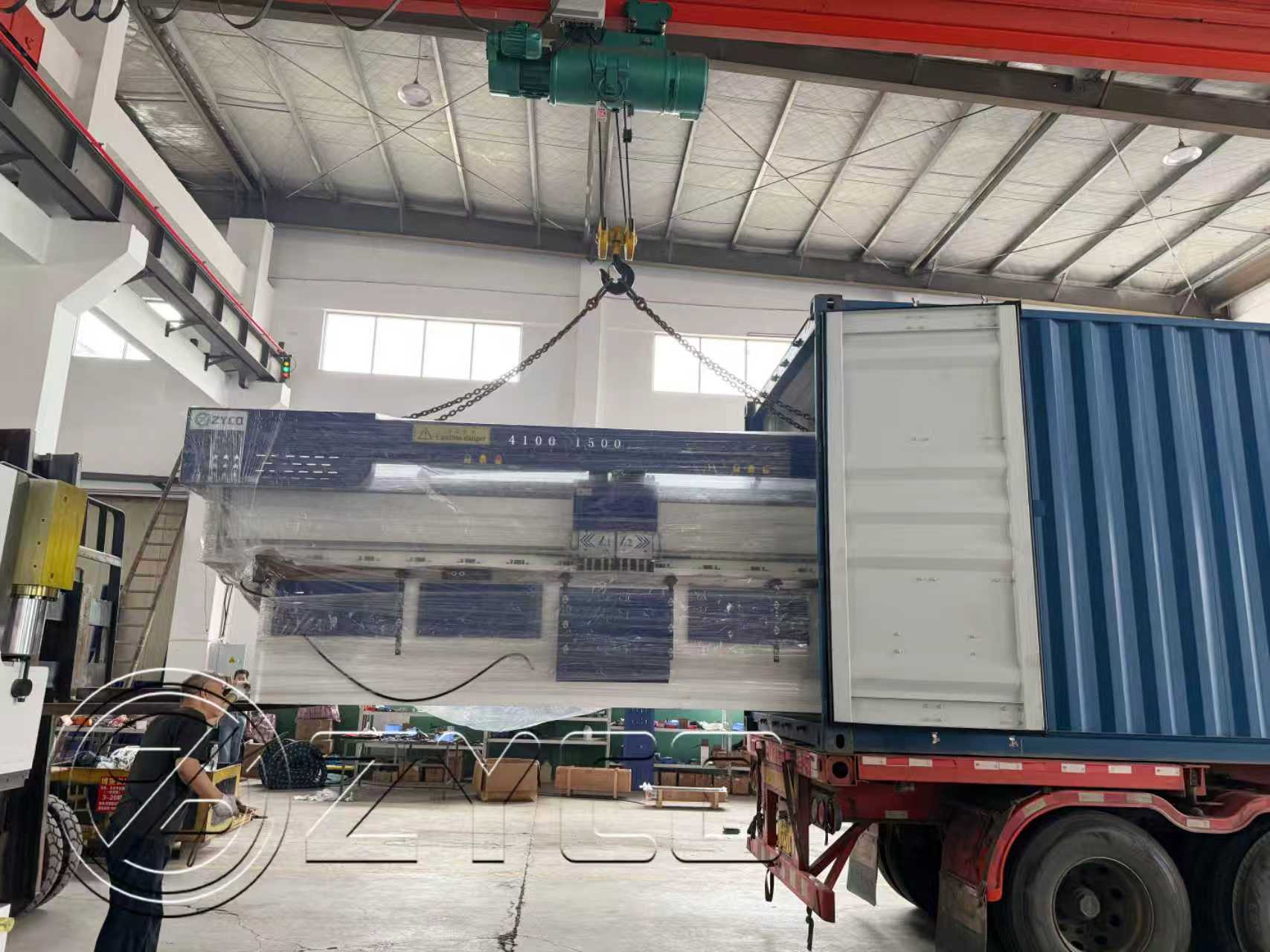
Gerçek geri bildirimlerine dayanarak, değişenler şunlardır:
· Birinci sınıf pazar gereksinimlerini karşılayan daha keskin, daha temiz virajlar
· Daha yüksek geçiş oranlarıyla kararlı ince sac bükme
· Çok daha az reddedilen ve yeniden işlenen görev
· Özellikle Orta Doğu'dan gelen ihracat siparişlerinde artış
· Daha öngörülebilir üretim, işçi becerisine daha az bağımlılık
Özetleri açıktı: "Oluk açma makinesi bir trendi takip etmekle ilgili değildi; gerçekten de yaşadığımız sorunları çözdü."
Hindistan'daki paslanmaz çelik işlemecileri için bir oluk açma makinesi yalnızca bir yükseltme değil, aynı zamanda şunları yapmanın bir yoludur:
· Ürün görünümünü iyileştirin
· Yeniden çalışmayı azaltın
· Tutarlılığı artırın
· Hem iç hem de ihracat pazarlarında rekabet gücünü artırmak
Eğer şu durumla karşı karşıyaysanız:
· Büyük bükülme yarıçapı
· İnce levha deformasyonu
· Yüzey basınç izleri
· Bükme sonuçlarında büyük farklılıklar
Üretim ihtiyaçlarınıza uygun yatay veya dikey oluk açma makinesiyle kişiselleştirilmiş bir çözüm sağlayabiliriz.
Hintli müşterimiz gibi, siz de canlı testler için fabrikamızı ziyaret edebilirsiniz. Günlük üretiminize benzer malzemeler hazırlayabilir, böylece gerçek sonuçları ilk elden görebilirsiniz.

E -posta adresinizi ve gereksinimlerinizi bırakın, profesyonel satış ekibimiz sizin için en uygun çözümü geliştirecektir.


telif hakkı
© 2026 Nanjing Zyco CNC Machinery Co., Ltd. Her hakkı saklıdır
.
 AĞ DESTEKLENİYOR
 Türkçe
 English
 français
 Deutsch
 italiano
 русский
 português
 español
 한국의
한국의 العربية